
Welded Stainless Steel Water Tank VS Modular Bolted Panel Tank: How to Choose for Your Project
Blog
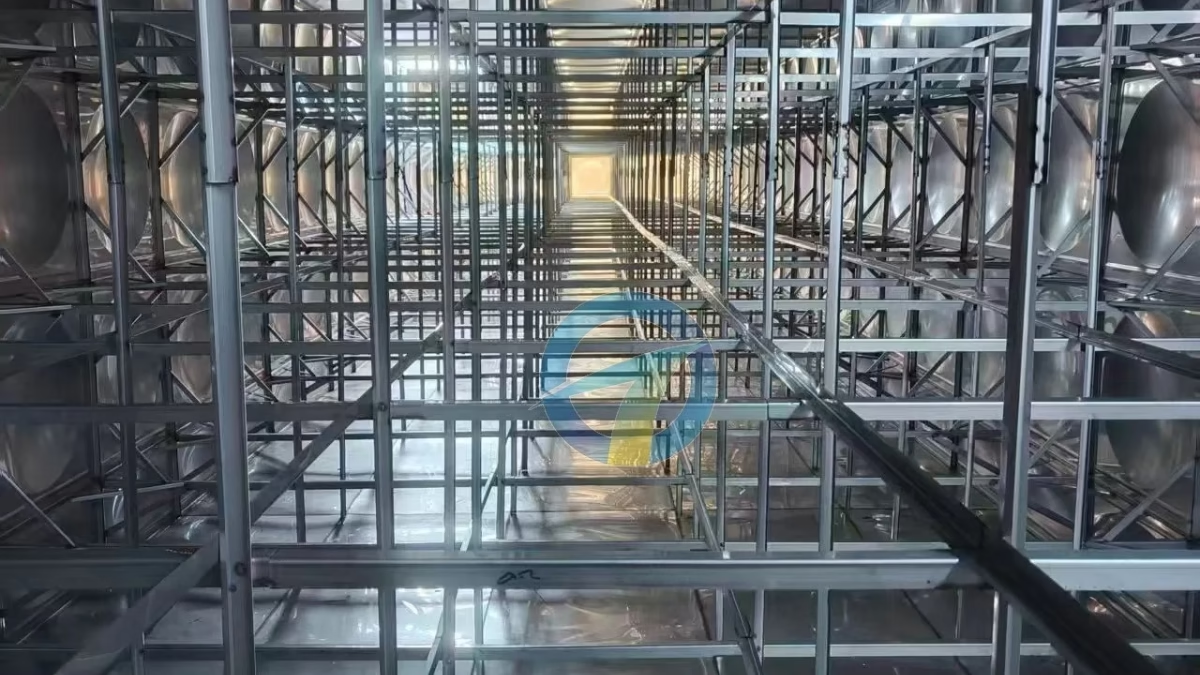
Welded Stainless Steel Water Tank VS Modular Bolted Panel Tank: How to Choose for Your Project
When planning a water storage project, choosing between a welded stainless steel water tank vs modular bolted panel tank is a core question many engineers and project owners face. Both build from stainless steel, and store drinking water, fire suppression water or industrial process water. Even so, they suit very different site constraints and shipping logistics.
Welded Stainless Steel Water Tank
A welded tank gets fabricated by welding stainless plates together. Most are fully built inside our factory, then shipped as one complete unit or large welded segments to your job site.
- Pros: No rubber gaskets between panels. That cuts risks of gasket aging and slow leakage. Smooth internal tank walls work great for clean potable water storage.
- Cons: Transport limits its maximum size. Huge tank units are hard to ship over roads. Any on-site welding needs certified welders, plus proper anti-rust treatment. On-site welding also comes with high labour costs in many countries. Big volumes also demand longer on-site construction work.
- Best for: Small to medium capacities, rooftop installations, and projects where you want minimal long-term gasket maintenance.
Modular Bolted Panel Water Tank
The bolted panel tank uses stamped stainless steel panels. Every panel is pre-manufactured in the factory and shipped flat separately. Your crew assembles all sections on-site using bolts and rubber gaskets.
- Pros: Flat panels ship easily, even for very large tank capacities. Tank size is flexible; you can expand storage volume later if your project grows. Assembly is straightforward, with no heavy on-site welding required.
- Cons: Sealing relies entirely on rubber gaskets. These gaskets will need routine inspection and replacement after years of service.
- Best for: Large ground-mounted tanks, remote locations, sites where oversized cargo delivery is impossible, and industrial water storage.
Quick Selection Guide
- Rooftop fire water tank, medium capacity, low ongoing maintenance target → Welded stainless steel tank
- Capacity over 500m³, ground installation, difficult heavy cargo delivery → Modular bolted panel tank
- Coastal high-humidity locations → Both tank styles work, but we recommend 316 stainless steel grade
- Drinking water storage → Both designs meet potable water standards, full material test certificates available
When you start to estimate your budget, don’t only compare the tank material cost. You also need to calculate site assembly, welding work, shipping and long-term maintenance expenses. Many overseas clients overlook on-site labour cost at first, and find the total budget rises sharply later. Our team can break down all these costs for your reference once you share your project location and tank size.
We supply welded stainless steel tanks and modular bolted panel tanks, available in 304 or 316 stainless grades. Our team reviews your site conditions, required tank volume, budget and local building codes before recommending the most practical tank solution. We can supply layout drawings plus all related accessories: overflow pipe, drain outlet, manhole and level sensor.
Just share your project parameters, and we’ll prepare a custom quotation for your water storage tank.