
Lifecycle Cost Analysis of Sectional Stainless Steel Water Tanks: Beyond the Upfront Quotation
Blog
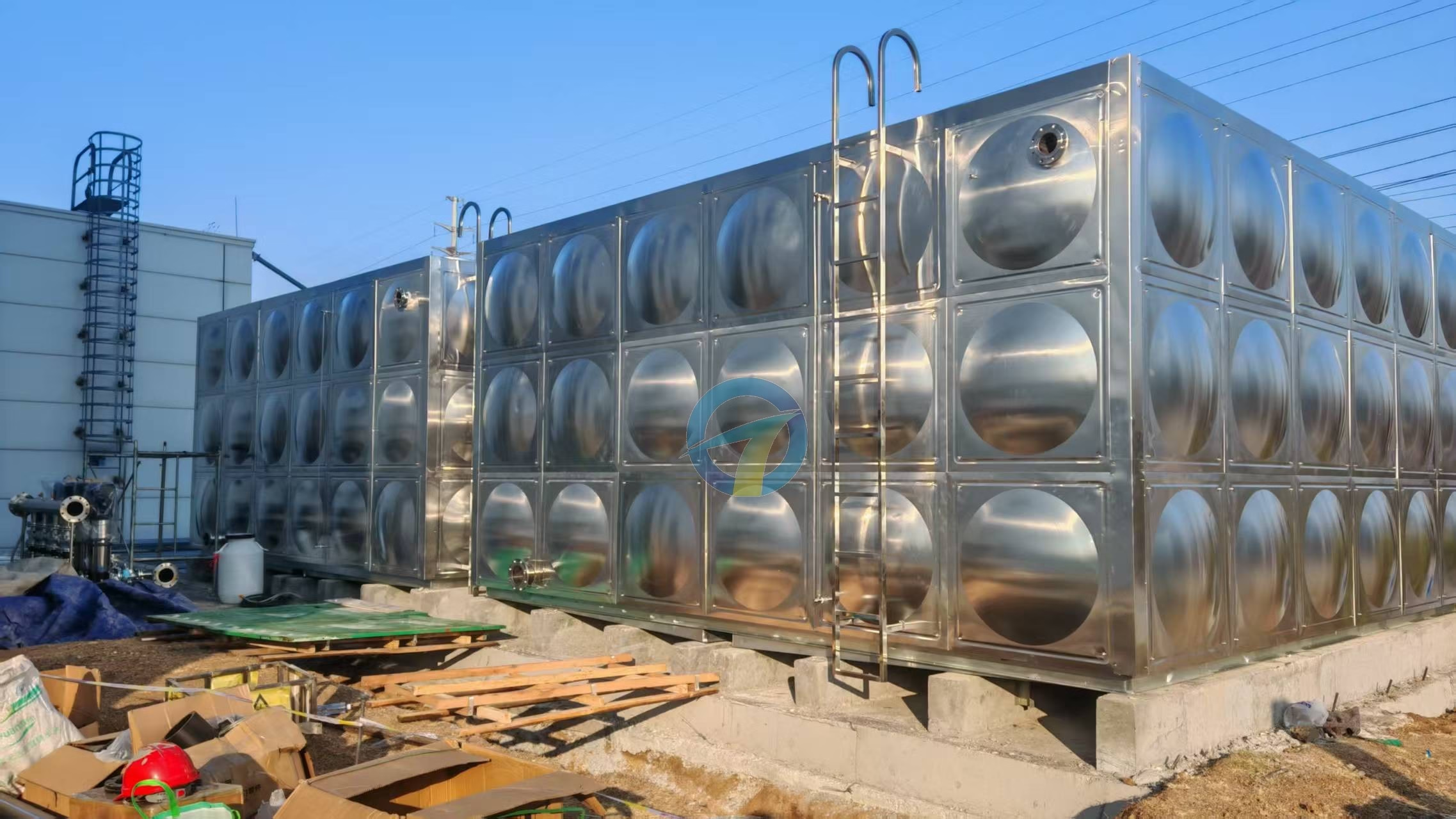
Lifecycle Cost Analysis of Sectional Stainless Steel Water Tanks: Beyond the Upfront Quotation
Sectional stainless steel water tanks lifecycle cost is often overlooked in tender evaluation. A common pattern in water tank procurement: three quotations arrive, the lowest one is awarded, and the project moves on.Two to five years later, the real costs surface. Gaskets weep, panels bulge, a protective coating fails, or the tank must be drained for repairs at the worst possible moment. None of these risks were factored into the tender comparison, yet all of them count toward the true cost of the tank.
Most project budgets treat the water tank as a one-time capital purchase. A far more practical framework is sectional stainless steel water tank lifecycle cost: every expense the asset owner pays from initial procurement through eventual replacement. This article explains how to calculate total cost of ownership (TCO) and which variables often shift the final financial outcome.
What Is Tank Total Cost of Ownership (TCO)?
Total cost of ownership for a water tank sums all expenses over its full service life, rather than only the upfront purchase price. For any tank design, the core cost buckets include:
- Initial purchase cost: panels, structural bracing, and all included accessories
- Freight and site delivery: sea freight, port handling, inland haulage, crane or hoisting charges
- Installation and labour: on-site assembly, hydrostatic leak testing, commissioning
- Third-party inspection: material verification, pre-shipment inspection, post-installation acceptance tests
- Routine maintenance: periodic visual inspection, gasket and fastener checks, scheduled cleaning
- Repair cost: leak remediation, panel or fastener replacement, coating restoration
- Downtime and failure loss: emergency water supply, business interruption, contractual penalties
- Replacement cost: demolition, waste disposal, plus a new tank at future market pricing
- End-of-life residual value: scrap or resale value of recoverable materials
Calculating discounted present value is best practice for formal engineering reports. Even a simple undiscounted 20-year comparison will frequently reverse the ranking of competing quotations.
Cost Breakdown: Sectional Stainless Steel Panel Tanks
Upfront material and panel cost
Panel pricing is mainly driven by stainless grade, plate thickness, and tank height. Lower panels bear far higher hydrostatic pressure, so zone-based thickness design is mandatory. While panels make up the largest single line item, they usually account for less than half of the fully installed cost once freight, accessories and site labour are included.
Accessories: bracing, bolts, gaskets, manhole, fittings
Internal or external bracing, stainless fasteners, EPDM gaskets, manholes, access ladders, air vents, overflow outlets and level gauges are often quoted separately or left loosely defined. Their specification directly impacts both tender price and long-term maintenance burden, so every component must be listed clearly on the BOQ.
Installation labour cost
Modular panel construction is the key installation advantage. Individual panels can pass through standard doorways, lifts and narrow access routes, for rooftop, basement or plant-room assembly without heavy cranes or hot welding work. Compared with cast-in-situ concrete tanks or large one-piece welded tanks, labour and access costs are often lower, especially for constrained sites. That said, assembly still requires skilled fitters and a mandatory leak test, so labour expense remains significant.
Routine maintenance schedule and annual cost
Stainless steel tanks require no repainting or lining renewal. Standard recurring tasks are annual visual inspection, bolt and gasket condition checks, bracing inspection, and periodic tank cleaning per local water regulations. Annual maintenance spending is generally low, normally a small percentage of the original tank price, covering inspection labour and consumables. Gasket replacement is the main planned expense, as elastomers degrade faster than stainless steel.
Expected service life and typical failure modes
With the correct material grade, adequate panel thickness and proper installation, a service life of 20 years or longer is realistic, and many well-specified tanks operate for 30+ years. Failures are rarely random. They most often stem from gasket ageing, localised crevice / pitting corrosion (common in high-chloride coastal water), and structural deformation caused by under-designed bracing or poor foundation support.
Side-by-Side TCO Comparison: Stainless Sectional vs FRP / Concrete / GFS Tanks
The table below serves as a general planning reference. Exact figures depend on project region, tank volume, water chemistry and supplier quality. Replace these ranges with your formal tender quotations for accurate commercial evaluation.
| Factor | Sectional Stainless Steel | FRP Sectional | Reinforced Concrete | GFS (Glass-Fused-to-Steel) |
|---|---|---|---|---|
| Initial CAPEX | Medium to high | Low to medium | Low raw material cost, high labour & lead time | Medium to high |
| Annual OPEX | Low | Low to medium | Medium (waterproofing, periodic cleaning) | Low |
| Typical design life | 20–30+ years | 15–25 years (depends on resin quality & UV exposure) | 30–50 year structural life; shorter waterproofing lifespan | 20–30 years |
| Repair frequency | Low; mostly gasket renewal | Moderate; panel cracking, delamination, algae growth on translucent panels | Moderate to high; cracking, leakage, membrane replacement | Low; coating chips require careful targeted repair |
| Risk of sudden failure | Low if grade and bracing are correctly engineered | Moderate with low-grade resin or poor lamination | Low structural risk; gradual seepage is common | Low; localised corrosion risk once enamel coating is breached |
| Residual value | Good; stainless steel scrap value and reuse potential | Very low; limited recycling options | None to negative (demolition cost) | Moderate; base steel scrap value |
Each option carries clear tradeoffs. FRP often has a lower upfront price and lighter weight for shipping, but laminate quality varies drastically and delamination is a well-documented risk. Concrete has cheap raw materials and long structural longevity, but slow on-site construction and recurring waterproofing repairs push up lifetime expenditure. GFS tanks are also bolted modular systems with reliable performance, yet coating damage during transit or later modification is difficult to repair. Stainless steel demands a higher initial investment, and performance is highly sensitive to material grade and fabrication workmanship. For short-term projects or tight capital budgets, cheaper alternatives can be the economically rational choice.
Hidden Cost Killers That Buyers Often Miss
1. Cheap grade substitution (201 instead of 304 / 316). Suspiciously low quotations frequently rely on downgraded material. Early pitting and rust staining can emerge within a few years, and the only practical fix is full panel or tank replacement. Always require mill test certificates (MTC) and arrange independent third-party material verification.
2. Under-designed bracing or undersized thin panels. Insufficient structural design leads to panel bulging, joint leakage and in severe cases emergency shutdown. The resulting repair and downtime costs easily outweigh the savings from the original low tender price.
3. Low-quality gaskets. Inferior sealing rubber hardens, shrinks or loses compression over time, triggering repeated leak repairs and continuous water loss. On large tanks with hundreds of joints, even minor seepage adds up to substantial water and maintenance costs.
4. Poor foundation and drainage. Standing water under the tank base, uneven support or blocked drainage accelerates corrosion and creates structural distortion. These site decisions made at installation lock in maintenance costs for the tank’s entire service life.
5. Unplanned downtime. For hotels, manufacturing plants, hospitals and data centres, tank failure means expensive emergency water delivery, production halt or contractual penalties. A single day of disruption can cost more than the price gap between a basic tank and a robust engineered tank, so downtime risk must be added as a risk-weighted line item in your TCO model.
How to Build a Realistic TCO Budget for Your Water Tank Project
- Lock in the design life within the project specification. State a fixed target (e.g. 20 or 25 years) so all tenderers price against identical performance requirements.
- Request a full BOQ instead of panel-only pricing. Panels, bracing, gaskets, fasteners, manholes, fittings, export packing and documentation should all be itemised separately.
- Budget for annual inspection and scheduled gasket replacement. Define a clear replacement interval and include local labour cost for servicing.
- Account for regional repair labour rates. Remote sites or markets with high labour costs make low-maintenance tank designs far more valuable over time.
- Evaluate warranty terms and after-sales support. Confirm what the warranty covers (material, workmanship, leakage), its duration, and whether spare gaskets and technical guidance are available after delivery.
Once you gather these inputs, build a spreadsheet to compare each bid across the full design life. Add a discount rate if your client’s commercial standard requires it; this will deliver a far more reliable ranking than comparing raw quotation values alone.
When Is a Higher-Initial Stainless Tank the Cheaper Long-Term Choice?
Stainless sectional tanks usually deliver better TCO outcomes under these scenarios:
- Coastal or high-humidity sites, where corrosion pressure is elevated (316 grade is normally specified here).
- Potable water storage for hospitals and food processing plants, where hygiene, smooth non-porous surfaces and liner-free construction are critical.
- Critical fire protection water storage, where on-demand reliability overrides capital cost savings.
- Projects requiring a 20+ year design life, where future tank replacement dominates long-term spending.
- Facilities where unplanned shutdown carries heavy financial penalties, where lower failure risk has tangible monetary value.
For temporary installations, short-cycle buildings or low-consequence water storage, cheaper alternatives may remain the better economic decision.
Request Our Custom Tank Budget & Specification Review
If you are drafting tender documents or comparing supplier bids, send us your project details:
- Tank working volume and maximum site footprint dimensions
- Water type (potable, fire protection, process water, rainwater)
- Site location and environmental conditions (inland / coastal)
- Required design life
We will reply with a formal quotation, fully itemised BOQ and custom lifecycle cost estimate you can insert directly into your project budget.
Contact us for quotation | View our bolted sectional stainless steel tanks
Summary
The lowest quotation is not always the lowest-cost solution. Sectional stainless steel water tanks carry a higher upfront price tag, but frequently deliver superior TCO over 20 years when grade, bracing, gaskets and foundation are engineered correctly. Build your evaluation around total cost of ownership, fix the design life upfront, demand a complete itemised BOQ, and honestly quantify downtime risk. This method protects your budget, no matter which tank material you finally select.