
Modular Water Tank Maintenance Guide: Prolong Tank Lifespan & Avoid Common Field Failures
Blog
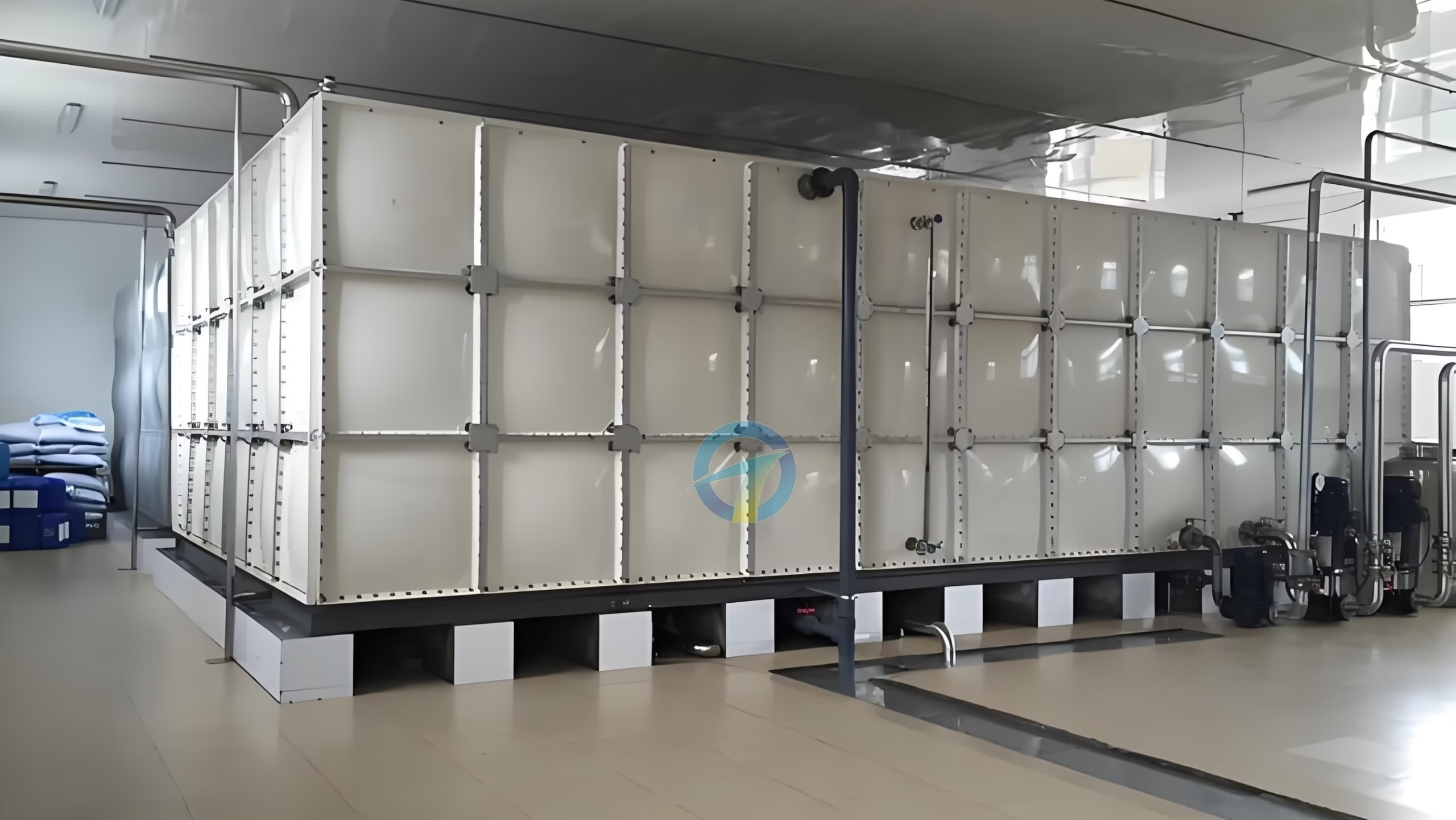
Modular Water Tank Maintenance Guide: Prolong Tank Lifespan & Avoid Common Field Failures
Modular water tank maintenance is critical for bolted sectional water tanks, whether stainless steel or FRP/GRP. These tanks are widely deployed for potable water, fire suppression and industrial process storage. Most project buyers spend plenty of time comparing materials at the procurement stage, yet many skip ongoing upkeep. Basic regular inspections help you stop slow leaks, protect water quality and avoid costly emergency repairs mid-project.
Why Ongoing Tank Checks Make Practical Sense
Bolted panel tanks are built for decades of service, but they are not maintenance-free assets.
- Loose connecting bolts, aging gaskets and surface scratches can create small, hidden leaks over time.
- Sediment and slimy biofilm build up along the tank base, gradually impacting stored water quality.
- Surface corrosion, UV degradation or chemical exposure will shorten the tank’s working life.
- Catching defects early prevents full system shutdown, and often lets you replace only damaged panels instead of the whole tank.
Practical Inspection Schedule For Site Teams
| Inspection Item | Recommended Frequency |
|---|---|
| Visual check of tank exterior, panels and sealing joints | Monthly |
| Bolt tightness and gasket condition check | Quarterly |
| Internal tank cleaning and sediment removal | Every 6–12 months |
| Functional test for vents, overflow and drain piping | Twice per year |
| Full professional inspection + water quality testing | Annually |
Step-by-step Field Inspection Checklist
- External Visual Survey Walk around the tank to check panel surfaces for scratches, dents, corrosion or cracks. If working with FRP tanks, watch for surface fading and fine microcracks caused by long-term UV exposure. Examine all panel gaskets for hardening, cracking or signs of seepage. Many rooftop installations suffer gasket aging faster under strong sun, so pay extra attention there.
- Frame & Bolt Condition Check Inspect the support frame and all connecting bolts. Retighten any loose fasteners and swap out corroded bolts right away. Be careful not to over-torque, as excess force can warp tank panels.
- Internal Cleaning & Sediment Removal Sand, silt and organic sludge settle slowly at the tank bottom. This buildup needs periodic removal. Once cleaning finishes, fully flush the tank before returning it to operation.
- Accessory Check: Vents, Overflow & Drain Lines Air vents protect the tank from negative pressure damage. Overflow and drain pipes must remain clear of debris. Blocked ventilation is one of the most frequently overlooked causes of tank failure.
Common Tank Operation Mistakes To Steer Clear Of
❌ Avoid scraping the inner liner with sharp tools — this will damage the passive anti-corrosion layer on stainless steel panels.
❌ Never pour incompatible chemical cleaners directly into the tank interior.
❌ Do not disregard minor seepage. Even tiny leaks worsen steadily under constant water pressure.
❌ Do not seal off air vents just to block dust ingress.
Maintenance Differences: Stainless Steel vs FRP Tanks
- Stainless steel modular tanks: Focus on protecting welds and scratched areas against corrosion, plus regular bolt anti-rust checks.
- FRP/GRP sectional tanks: UV aging is the main risk. We recommend external protective coating for tanks installed in fully exposed outdoor locations.
When To Replace Individual Panels (Instead Of The Entire Tank)
One major advantage of bolted modular design: you do not need to replace the whole tank if only one section fails. Plan panel replacement when:
- Panels have deep cracks or heavy corrosion that cannot be repaired
- Gaskets suffer permanent deformation and keep leaking after re-tightening
- Structural deformation compromises tank safety
On-site Support For Your Water Tank Projects
Our team offers on-site inspection guidance and supplies replacement panels, gaskets and spare parts for existing bolted tank installations. Reach out if you need maintenance advice or spare components for your current water storage setup.
CTA: Contact us and receive your custom water tank maintenance checklist.