
SS304 vs SS316 vs FRP Water Tank: How to Pick the Right Panel Material
Blog
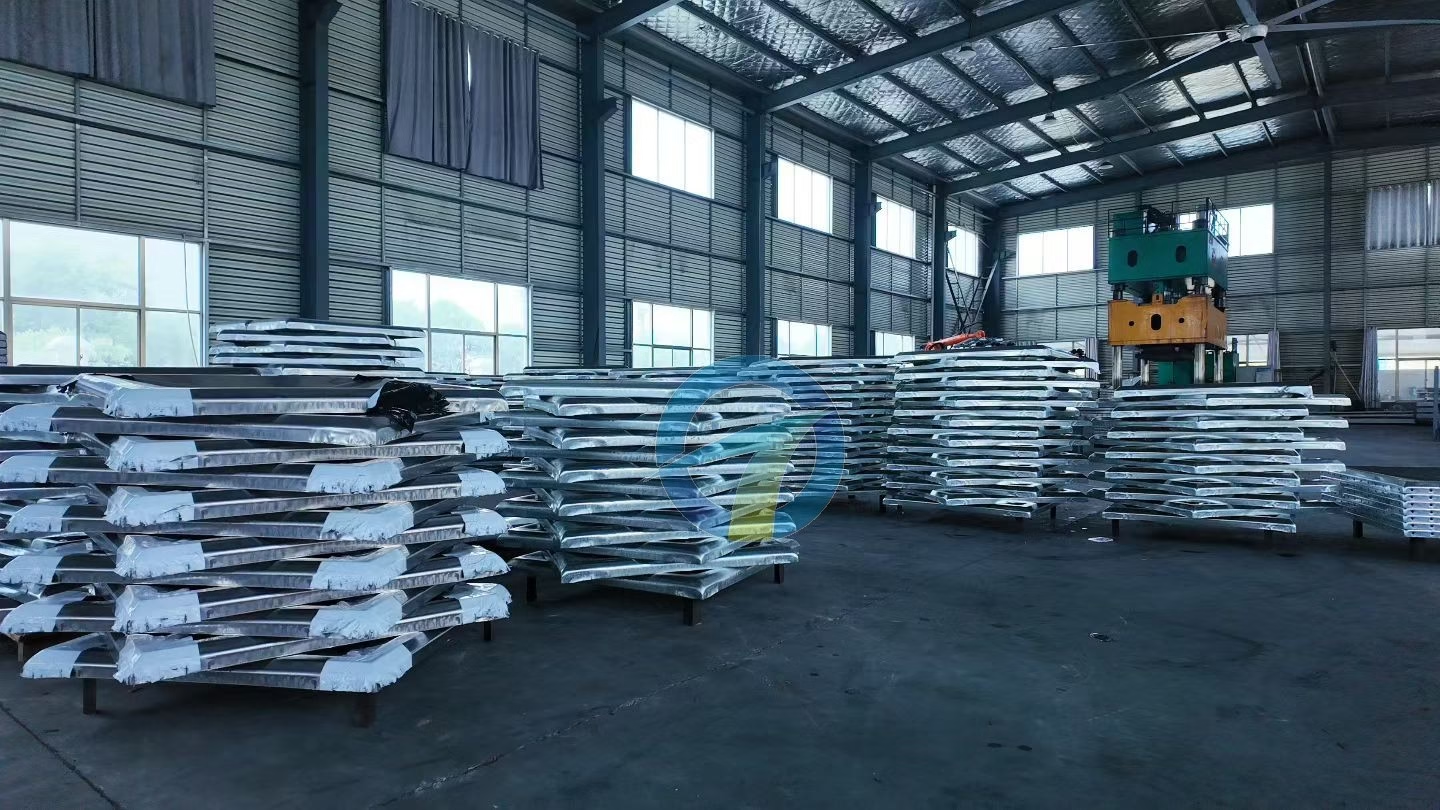
SS304 vs SS316 vs FRP Water Tank: How to Pick the Right Panel Material
When evaluating SS304 vs SS316 vs FRP water tank options for commercial buildings, industrial plants or on-site water storage systems, choosing the correct tank panel material ranks among the most critical decisions during procurement.
Stainless steel 304, stainless steel 316 and FRP (also widely called GRP) dominate the global market for modular bolted water tank panels. Many project owners and consulting engineers only compare upfront panel prices when reviewing quotations. This narrow mindset often brings expensive surprises later down the road: premature pitting corrosion, tank leakage, water contamination, repeated maintenance work, or full tank replacement long before its expected service life ends.
Each material reacts uniquely to local climate, water chemistry and the type of liquid held inside. Drawing on our decades of field delivery experience across the Middle East, Southeast Asia and Africa, this article breaks down practical strengths, real limitations and ideal use cases for SS304, SS316 and FRP bolted water tanks.
SS304 Stainless Steel Bolted Panel Tank
SS304 remains the workhorse stainless grade for modular potable and fire water storage. It is widely accepted for drinking water contact and performs reliably under normal inland atmospheric conditions.
Key benefits
- Food-grade compliant for potable water storage
- Smooth, non-porous inner surface that resists heavy biofilm buildup and simplifies routine tank cleaning
- Stable performance in inland sites with low airborne salt
- Standard panel sizing, readily available and balanced capital cost
Real-world limitations
- Not suitable for coastal sites with persistent salt spray, or water with elevated chloride levels. Pitting rust can develop over time.
- Poor compatibility with acidic or heavily contaminated industrial process water
- Long-term integrity depends heavily on matching gaskets, fasteners and assembly workmanship, not just the steel panel itself.
Best suited projects: Inland hotel drinking water tanks, office building fire water storage, shopping mall reserve tanks, standard factory process water systems.
SS316 Stainless Steel Bolted Panel Tank
SS316 incorporates molybdenum within its alloy composition, which delivers a major upgrade in chloride resistance compared to SS304. This grade is the preferred stainless steel option for sites where salinity is a concern.
Key benefits
- Strong resistance to chloride attack, making it reliable for coastal, marine and high-salinity groundwater applications
- Maintains the same hygienic, smooth surface properties as SS304 for potable water storage
- Handles mildly corrosive industrial water that would damage SS304 panels
Real-world limitations
- Material cost is noticeably higher than SS304, which increases your initial project budget
- It is not a universal corrosion solution; strong acids and concentrated chemical wastewater will still degrade the material.
Best suited projects: Seaside resort water storage, coastal industrial estates, facilities using saline groundwater, premium drinking water tanks in high-humidity salt-air zones.
FRP / GRP SMC Sectional Water Tank
FRP (Fiberglass Reinforced Plastic, known as GRP in many regions) uses compression-molded SMC fiberglass panels. Unlike metal tanks, FRP has zero risk of rust formation.
Key benefits
- Completely corrosion-proof; no rusting even in hot, humid, salt-laden coastal and tropical environments
- Panel weight is much lower than stainless steel, which reduces foundation load requirements and civil engineering costs
- Natural insulating properties slow water temperature rise inside the tank
- Cost advantage for large-volume raw water or fire water storage projects
Real-world limitations
- The outer gel coat layer can degrade under continuous direct UV exposure. Outdoor installations require UV protective coatings.
- Biofilm and sediment can build up on inner surfaces if periodic cleaning is skipped
- Not recommended for storage of strong solvents or highly aggressive chemical fluids.
Best suited projects: Tropical region fire water tanks, large raw water holding tanks, underground modular tanks, remote sites where rust prevention is the primary design priority.
Side-by-Side Material Overview
| Material | Corrosion Resistance | Potable Water Approved | Typical Site Conditions | Relative Project Cost |
|---|---|---|---|---|
| SS304 | Good (inland only) | Yes | Inland, low-salt atmosphere | Medium |
| SS316 | Excellent (chloride resistant) | Yes | Coastal, high-salinity water | High |
| FRP / GRP | Excellent (no metal rust) | Yes (food-grade gel coat) | Hot, humid, tropical & coastal | Medium-Low |
Four Practical Factors to Guide Your Final Selection
Do not finalize your tank material choice based solely on quotation price. Evaluate these four site-specific factors together:
- Stored water type: Is it drinking water, fire reserve water, raw river / well water or industrial process water?
- Local site environment: Is the site inland or coastal? What are the peak ambient temperatures and UV exposure levels?
- Water chemistry: Test for chloride concentration, pH range and dissolved solids in the water to be stored.
- Desired service life: What is the design lifespan requirement for your water storage asset?
For a simple example: A mid-sized hotel project located inland with municipal tap water will usually find SS304 delivers the best balance of performance and budget. For a water storage facility along the Arabian coast, FRP or SS316 is the safer selection to avoid unexpected corrosion failure.
Frequent Material Selection Mistakes We See in Field Projects
- Specifying SS304 for coastal developments. Salt spray will trigger pitting corrosion within a few years, even if the tank looks fine at handover.
- Deploying FRP tanks for aggressive chemical process water. The inner gel coat will gradually erode and compromise tank integrity.
- Over-specifying SS316 for ordinary inland projects. This adds unnecessary capital spend without practical performance gains.
- Focusing only on panel material while ignoring supporting hardware. Low-quality bolts, washers and gaskets remain a top cause of field leaks, even when premium panels are used.
Closing Thoughts
There is no single “best” water tank material for every scenario. SS304, SS316 and FRP each have their ideal operating range. The optimal pick depends entirely on your site climate, water characteristics and long-term project goals.
If you share your project details — site location, water type, required tank capacity and site conditions — our engineering team can review your requirements and recommend the most suitable panel material and tank layout.
CTA Button Text: Request Custom Material Recommendation