
Stainless Steel vs FRP Water Tank: Which One Should You Import?
Blog
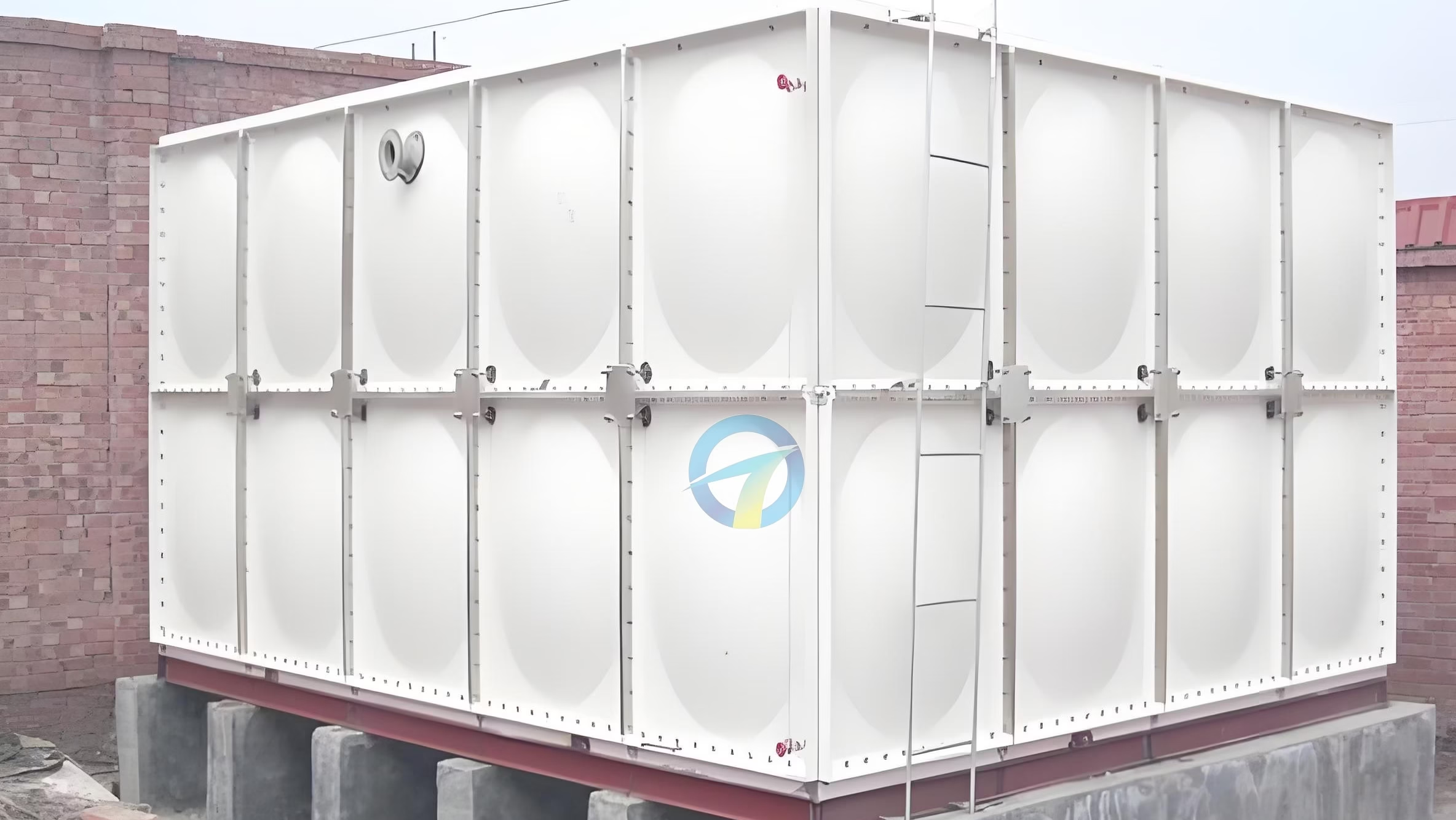
Stainless Steel vs FRP Water Tank: Which One Should You Import?
The Lowest Quote Is Not Always the Best Value
When importing storage vessels, the most frequent material comparison buyers run into is stainless steel vs FRP water tank.Take Mark, one water tank distributor we’ve worked with. He placed a full-container tank order after reviewing three supplier quotations and selected the cheapest option. Eight months later, his contractor client reported seepage along the panel joints. A local inspector also raised concerns about whether the selected material met potable-water standards. The tank required inspection, partial replacement and re-certification. Extra freight costs, project delays and a damaged client relationship ended up costing him far more than the small price difference he originally saved.
This story is extremely common among tank importers. Most buyers only compare unit prices upfront, yet the critical question is whether the material matches their project, water quality, local climate and regulatory approval rules. Below is a practical side-by-side comparison of stainless steel (304/316) and FRP (fiberglass reinforced plastic) water tanks, designed to help importers, wholesalers and contractors make confident decisions before confirming orders.
Upfront Cost vs Total Lifecycle Cost
FRP sectional tanks often carry a lower per-cubic-meter price for medium and large storage capacities. Their flat-packed panels allow you to fit greater tank volume into one shipping container, cutting ocean freight expenses. On-site assembly is generally straightforward as well.
Stainless steel tanks demand a higher initial investment, with pricing heavily tied to steel grade and panel thickness. Grade 316 costs more than 304 thanks to its molybdenum alloy content. Thin-gauge panels offered at attractive low rates may look appealing on paper, but they often hide quality compromises.Smart buyers compare total landed cost across the tank’s expected service life: ex-works price, sea freight, installation labour, routine maintenance and future replacement. A tank priced 15% cheaper that needs premature repairs is no real saving.
Service Life
Both materials can deliver decades of reliable service when correctly specified and properly installed. High-quality stainless steel tanks typically offer a service life of 20–30 years, while well-made FRP tanks generally last 15–25 years. These are reference ranges only. Actual longevity depends on water chemistry, local climate, installation workmanship and regular maintenance.
For stainless steel, the biggest risk is selecting the wrong grade for the operating environment. For FRP, common failure points include low-grade resin and fiberglass, poor gelcoat quality, plus UV and thermal ageing. In both cases, material specification matters far more than just the material type itself.
Water Hygiene and Compliance
For potable drinking water storage, first verify the requirements enforced in your target market. Stainless steel has a smooth, non-porous surface and requires no internal coating. This simplifies cleaning and prevents unwanted taste or odour transfer. FRP can also be safe for drinking water, but only if its resin system and gelcoat are certified food-grade for potable contact.
Depending on your destination country, buyers commonly source compliance documents such as WRAS or NSF/ANSI 61 for potable-water contact materials, AS/NZS 4020 for Australia, and relevant EU or national standards for European markets. Sectional GRP tanks are frequently assessed against BS EN 13280. Rules differ by country and project, so confirm requirements with your local authority or consultant before placing an order.
Light penetration is another key consideration for FRP. Standard translucent panels let sunlight pass through, which can trigger algae growth inside the tank. Opaque, light-blocking panels are the standard solution for drinking-water applications.
Corrosion Resistance and Climate Suitability
Grade 304 stainless steel works reliably for general clean-water storage. In coastal locations, water with high chloride levels, or sites near chemical exposure, 316 is usually the safer choice, as it provides superior resistance to chloride pitting corrosion. Even 316 is not fully immune to chloride damage under harsh conditions; weld quality and surface finishing remain critical.
FRP does not rust and performs well in humid, coastal environments. This is why it remains popular across tropical Southeast Asia. Its weaknesses include long-term UV exposure, extreme temperature fluctuations and physical impact damage. Joint sealing gaskets also degrade gradually over time and need periodic inspection.
Maintenance Risk
Stainless steel tanks require scheduled cleaning, plus inspections of weld seams and connecting joints. Damage tends to be localized and usually repairable.
FRP tanks need regular checks on panel gaskets, sealants, fasteners and the inner gelcoat surface. Minor joint leaks are the most frequent complaint, though these usually stem from poor sealant quality or improper installation rather than an inherent flaw of FRP material.
When to Choose Stainless Steel
- Potable water storage where a smooth, coating-free hygienic surface is prioritized
- Food & beverage, hospital, hotel and commercial projects subject to strict hygiene audits
- Coastal sites or water with high chloride levels (specify grade 316)
- Projects prioritizing long service life and easy cleaning over lower upfront cost
- Rooftop or space-constrained installations requiring a rigid, compact structure
When to Choose FRP
- Large-volume storage where unit price and freight efficiency are top priorities
- Humid, tropical or corrosive settings where rust is the primary concern
- Fire suppression water, irrigation, industrial process water and general utility storage
- Remote sites where lightweight flat-pack panels simplify transport and on-site assembly
- Budget-focused projects with a clear compliance pathway for the selected resin system
There is no one-size-fits-all winner. A wholesaler supplying hotels and hospitals will often lean toward stainless steel, while suppliers serving rural water schemes and agriculture may benefit more from FRP. Many established importers stock both options.
What to Confirm Before You Place the Order
Material certificates. For stainless steel, request mill test certificates showing the exact grade and chemical composition, ideally certified to EN 10204 3.1. Confirm whether your supplier supports PMI (Positive Material Identification) testing on samples before shipment. Material substitution is a known industry risk: low-nickel steel or grade 201 is sometimes falsely marketed as 304.
Wall thickness and panel specification. Ask for the actual panel thickness in millimeters and its tolerance range, not just a generic product name. Differences in sheet thickness explain a large share of pricing gaps.
Potable-water approvals. Request test reports or certificates matching your target market. Check report issue dates, accredited lab credentials, and confirm the certification covers the exact steel grade or FRP resin you are purchasing.
FRP resin, glass content and gelcoat. Clarify resin type, fiberglass content, panel thickness, and whether the gelcoat is approved for potable water. Also request full details on gasket/sealant materials and their expected service life.
Structural design. Confirm applicable design standards, wind and seismic loading requirements where relevant, plus reinforcement and tie-rod layouts for sectional tanks. Ask for installation drawings and a complete bolt & sealant list.
Factory capability and pre-shipment inspection. Request factory production photos, output capacity, available pre-shipment inspection options and a written warranty statement. Suppliers willing to answer detailed technical questions are generally more reliable than vendors who only provide a price.
Packing and spare parts. All panels, gaskets and bolts should be counted, labelled and securely packed to survive ocean transit. Confirm whether spare sealant and fasteners are included.
Final Thoughts
Stainless steel and FRP are both proven, reliable tank materials. The best selection depends on your water type, local climate, compliance obligations and end-customer requirements. Never decide purely based on price, and reject vague specifications. Get steel grade, panel thickness, certificates and test reports in writing, and compare quotations on an identical specification basis.
If you are evaluating suppliers, send your tank capacity, target market and water application to us. We will share a detailed comparison sheet for 304, 316 and FRP, plus a tailored quotation and compliance checklist for your project.
FAQ
Q1: Is a stainless steel or FRP water tank cheaper to import? A: FRP sectional tanks often come with a lower unit price and freight cost for medium and large capacities. Stainless steel carries higher upfront costs but typically delivers a longer service life and simpler cleaning. Compare total cost over the tank’s lifespan instead of only reviewing the quoted unit price.
Q2: Which is better for drinking water, 304 stainless steel or FRP? A: Both are suitable if they satisfy local potable-water regulations. Stainless steel features a smooth, coating-free surface that is easy to sanitize. FRP requires potable-grade resin and gelcoat with valid certifications, plus light-blocking panels to limit algae growth.
Q3: When should I choose 316 instead of 304 stainless steel? A: 316 is recommended for coastal areas, high-chloride water and more demanding operating environments because it offers better resistance to pitting corrosion. Grade 304 is usually sufficient for standard clean water under mild conditions.
Q4: How long do stainless steel and FRP water tanks last? A: As a general guideline, premium stainless steel tanks can last roughly 20 to 30 years, while quality FRP tanks typically last 15 to 25 years. Real-world service life depends on material quality, water chemistry, climate, installation and maintenance.
Q5: What certificates should I request from a water tank supplier? A: For stainless steel, ask for mill test certificates and PMI testing support. For drinking-water use, obtain market-matching approvals such as WRAS, NSF/ANSI 61 or AS/NZS 4020. For FRP tanks, also check resin, gelcoat and sealing material documentation.
Q6: How can I avoid fake or substituted stainless steel when importing? A: Request formal material certificates, verify panel thickness in millimeters, arrange third-party inspection or PMI testing before shipment, and cross-check chemical composition against the quoted grade. Be cautious of quotations far below normal market pricing.